
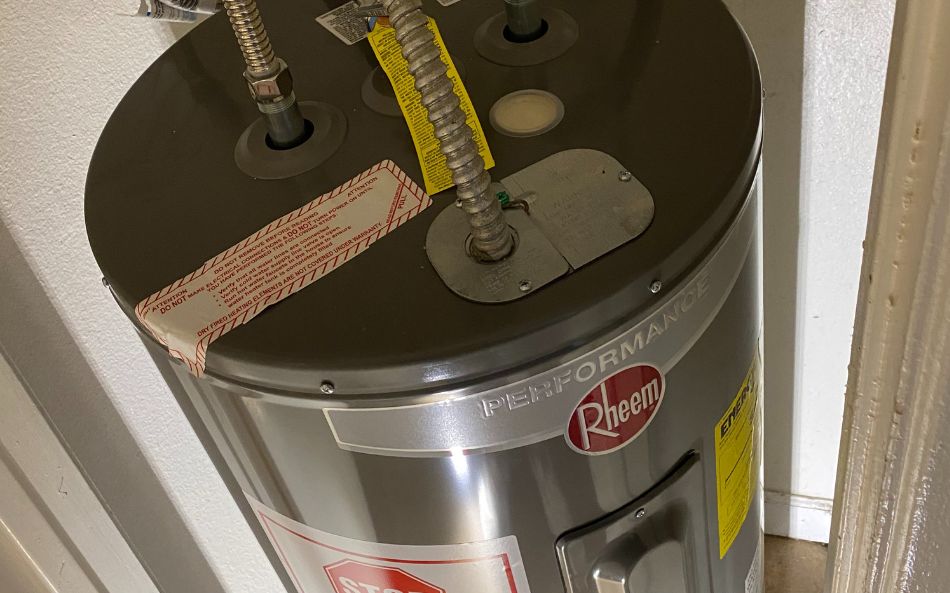
The availability of hot water is an essential aspect of modern life, making hot water heaters a critical component of our homes. Traditionally, tank-style water heaters have been the go-to choice for most households. However, tankless water heaters have gained popularity in recent years due to their energy efficiency and space-saving benefits. In this comprehensive guide, we will explore the differences between hot water heaters and tankless water heaters, and we will also provide you with step-by-step instructions on how to clean and maintain both types of systems.
Hot Water Heaters
Understanding Hot Water Heaters
Hot Water Heater Basics:
Traditional hot water heaters, also known as tank-style or storage water heaters, consist of a large tank that holds and heats water continuously. The heated water is stored in the tank until needed, maintaining a steady supply of hot water.
Pros of Hot Water Heaters:
- Affordability: Tank-style water heaters are typically more affordable to purchase and install compared to tankless systems.
- Simple Maintenance: Maintaining hot water heaters is straightforward, as they involve fewer components.
Cons of Hot Water Heaters:
- Energy Consumption: Hot water heaters continuously heat and reheat water, which can lead to higher energy bills.
- Limited Supply: Once the hot water in the tank is depleted, you’ll need to wait for it to heat up again, potentially causing inconvenient delays.
How to Clean a Hot Water Heater
Step 1: Turn Off Power and Water Supply
Before beginning any maintenance, turn off the power supply to the water heater at the circuit breaker and shut off the water supply to the tank.
Step 2: Drain the Tank
Attach a garden hose to the drain valve at the base of the water heater. Open the valve and allow the water to drain into a suitable drainage area. Be cautious, as the water will be scalding hot.
Step 3: Flush the Tank
To remove sediment buildup inside the tank, open the pressure relief valve and allow cold water to enter the tank while simultaneously draining it. Continue this process until the water runs clear, indicating that sediment has been flushed out.
Step 4: Inspect and Replace the Anode Rod
Inspect the anode rod, a sacrificial component that helps prevent tank corrosion. If it’s severely corroded or has a thickness less than half an inch, consider replacing it.
Step 5: Refill and Restore
Close the drain valve and pressure relief valve, then turn on the water supply and power to the heater. Allow the tank to fill and heat up before using hot water again.
Tankless Water Heaters
Understanding Tankless Water Heaters
Tankless Water Heater Basics:
Tankless water heaters, as the name suggests, do not store hot water. Instead, they heat water on-demand as it flows through a heat exchanger. This means you get hot water whenever you need it, with no storage tank required.
Pros of Tankless Water Heaters:
- Energy Efficiency: Tankless heaters only heat water when needed, reducing energy consumption and lowering utility bills.
- Endless Hot Water: With a tankless system, you won’t run out of hot water, making it ideal for larger households.
- Space-Saving: Tankless heaters are compact and can be installed in tight spaces, freeing up storage space.
Cons of Tankless Water Heaters:
- Higher Initial Cost: Tankless water heaters tend to have a higher upfront cost than traditional heaters.
- Limited Flow Rate: The flow rate is determined by the unit’s capacity, so it may struggle to supply hot water to multiple fixtures simultaneously.
How to Clean a Tankless Water Heater
Step 1: Turn Off Power and Water Supply
As with traditional heaters, start by turning off the power supply and water source to the tankless water heater.
Step 2: Remove and Clean Inlet Filter
Locate the inlet filter screen on the cold-water supply line. Remove it and clean it thoroughly under running water. A clogged filter can reduce water flow to the unit.
Step 3: Flush the Heat Exchanger
Attach a hose to the isolation valves and connect the other end to a bucket or drain. Open the valves and use a submersible pump to circulate a vinegar solution (50% white vinegar and 50% water) through the heat exchanger for about 45 minutes. This process will help remove mineral deposits that can reduce efficiency.
Step 4: Rinse and Reassemble
After flushing, rinse the heat exchanger with clean water by running water through the system. Reassemble the unit, making sure all connections are secure.
Step 5: Restore Power and Water
Turn the power supply and water source back on and verify that the unit is operating correctly. Check for any leaks or irregularities.
Both hot water heaters and tankless water heaters have their advantages and disadvantages. The choice between them depends on your specific needs and preferences. Regardless of the type of system you have, regular cleaning and maintenance are crucial to ensure it operates efficiently and provides a reliable supply of hot water.
By following the cleaning instructions outlined in this guide, you can extend the lifespan of your water heater and enjoy the benefits of a continuous supply of hot water, whether it’s from a traditional tank-style unit or a modern tankless system. Don’t forget to consult your water heater’s manufacturer manual for specific maintenance guidelines tailored to your unit. Contact us today to schedule an appointment for all your hot water heater needs